What is occupational therapy in Dubai, and how can it transform everyday life?
When you hear the term occupational therapy, it might sound clinical or unclear at first. But in reality, occupational therapy is much more personal than that. It’s like having a dedicated coach for the game of life—someone who helps you or your child build the practical skills needed to thrive every single day.
Occupational therapy in Dubai is a highly specialized service designed to support individuals of all ages. From toddlers working toward developmental milestones to adults recovering from injuries or neurological conditions, occupational therapy helps people fully participate in the meaningful activities that shape their daily lives.
At its core, occupational therapy in Dubai is about strengthening independence, improving functional skills, and empowering individuals to confidently navigate school, home, work, and community environments.
What is Occupational Therapy in Dubai Means for You
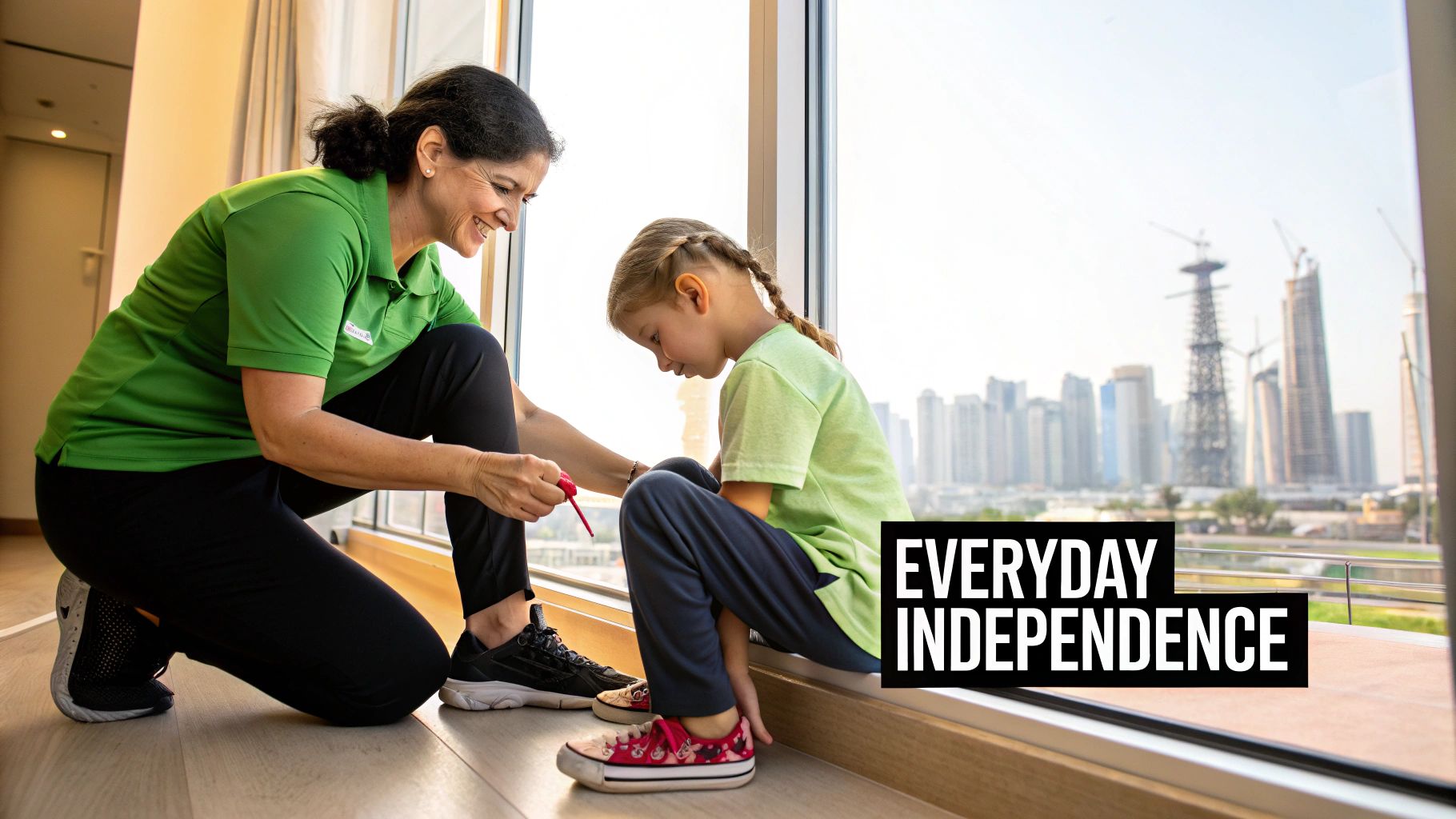
Let’s set aside the textbook definitions. The “occupation” in occupational therapy isn’t about your job or career. It refers to all the things that occupy your time and bring meaning to your life—the everyday tasks, hobbies, and routines.
This is where the magic happens. An occupational therapist’s main goal is to figure out what’s important to you or your child, identify what’s getting in the way, and then create a plan to break down those barriers. It’s an incredibly personalized and practical approach.
A Focus on Practical, Everyday Skills
The real strength of occupational therapy in Dubai is how it connects directly to real-world situations. Therapists zero in on the exact skills needed to build confidence and independence, whether that’s navigating a bustling mall or just getting ready for school.
For instance, a therapy session might look very different from one person to the next:
- For a child: The focus could be on learning to button a shirt, hold a pencil with a proper grip, or develop coping strategies for sensory overload in a busy environment.
- For an adult: It might involve relearning how to cook safely after an accident, adapting a workspace to be more ergonomic, or finding new ways to manage daily routines after a stroke.
The ultimate goal is always empowerment. It’s about giving individuals the tools, strategies, and confidence they need to dive back into the activities that matter most, whether at school, home, or work.
The Coach Analogy
Think about a great sports coach. They don’t just shout the rules from the sidelines. They analyze each player’s unique strengths and weaknesses to help them perform at their absolute best. An occupational therapist does the exact same thing, but for the “game of life.”
They start by assessing physical, cognitive, and sensory skills to get a full picture. From there, they build a completely customized plan. But this isn’t a list of abstract drills; it’s about practicing real-life scenarios in a supportive setting.
A child might play with therapeutic putty to strengthen the tiny hand muscles needed for writing. An adult might run through a simulated grocery shopping trip to work on planning, memory, and mobility. This hands-on, practical approach is what makes occupational therapy in Dubai such a powerful tool for achieving tangible progress in everyday life.
Key Signs You or Your Child Could Benefit from OT
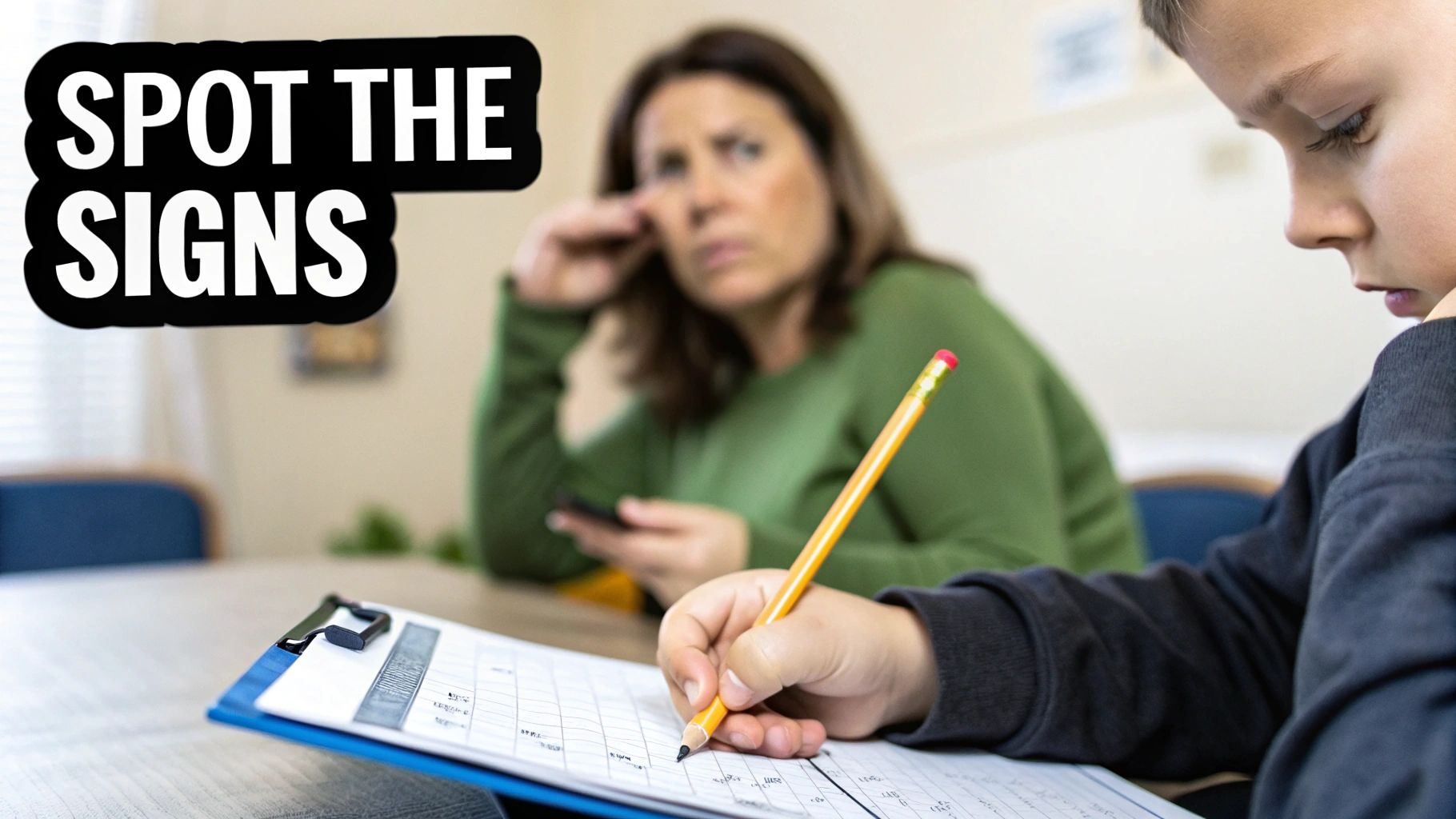
It’s not always easy to know when professional support is needed. The kinds of challenges occupational therapy addresses can often blend into the rhythm of daily life, making them simple to overlook or dismiss as just a phase.
But catching these signs early can be a game-changer for building crucial life skills and boosting confidence. This guide is here to help you spot those real-world indicators—no clinical jargon, just practical examples you might see at home, school, or the office.
Indicators in Children
A child’s main “job” is to play, learn, and grow. While every kid hits milestones at their own pace, some consistent struggles could mean an OT assessment would be a good idea. It’s always wise to recognize developmental red flags in babies and toddlers to get them support sooner rather than later.
Here are a few common things to look out for:
- Motor Skills: Does your child have a tough time holding a crayon, using scissors, or doing up their own buttons? Maybe they seem a bit clumsy, often bumping into furniture or struggling with playground equipment.
- Sensory Processing: You might notice extreme reactions to certain sensations. This could look like a strong dislike for loud noises, tags on clothes, or specific food textures. On the flip side, some kids might seem under-responsive, always seeking out intense input like crashing onto the sofa or spinning in circles.
- Daily Routines: Difficulties with self-care are a big clue. This includes getting dressed on their own, using a fork and knife properly, or following a simple bedtime routine without constant reminders.
- Social and Play Skills: Some children find it hard to engage in make-believe play, share with friends, or understand personal space. This can make it tricky for them to connect with other kids.
Indicators in Adults
For adults, the need for an OT often comes after a major life event—an injury, a new health diagnosis, or a gradual change in abilities. The focus is all about regaining independence and finding new ways to handle daily challenges. We explore this further in our detailed guide on who would benefit from occupational therapy.
An OT can be a crucial partner in helping adults reclaim their roles and routines. The focus shifts from developmental milestones to maintaining or adapting the skills needed for independent living, working, and socializing.
Here are a few scenarios where an adult might need OT:
- Post-Injury or Illness: After something like a stroke or a serious accident, tasks that were once automatic—like cooking dinner, managing bills, or driving—can suddenly feel impossible. An OT helps rebuild those skills or finds clever workarounds.
- Workplace Challenges: Someone recovering from an injury might need workplace modifications to get back to their job safely. This could mean an ergonomic assessment of their desk or learning new strategies to manage cognitive fatigue.
- Cognitive Changes: If memory, organization, or problem-solving start to become a daily struggle, it can be incredibly disruptive. An OT can introduce tools and strategies to manage schedules, remember appointments, and break big tasks into smaller, more manageable steps.
Recognizing these signs is the first step. To give you a clearer picture, here’s a quick-reference table outlining some common indicators that might suggest it’s time for an OT consultation in Dubai.
Common Indicators for an Occupational Therapy Assessment
| Area of Concern | Potential Signs in Children | Potential Signs in Adults |
|---|---|---|
| Fine Motor Skills | Difficulty with handwriting, using scissors, or buttoning clothes. | Trouble with typing, handling small objects, or decreased hand strength. |
| Gross Motor Skills | Clumsiness, poor balance, or trouble with sports and playground activities. | Difficulty with walking, balance, or navigating different environments after an injury. |
| Sensory Processing | Overly sensitive to noise or touch; or constantly seeking movement. | Feeling overwhelmed in busy environments; difficulty filtering out background noise. |
| Daily Living Tasks | Struggles with dressing, eating with utensils, or personal hygiene. | Difficulty with cooking, cleaning, or managing personal finances after an illness. |
| Cognitive Skills | Trouble following multi-step directions or poor organizational skills. | Memory lapses, difficulty planning tasks, or challenges with problem-solving. |
If any of these signs feel familiar, remember that they are simply indicators of areas where a little extra support could make a world of difference. An occupational therapist has the expertise to turn these challenges into opportunities for growth and independence.
What Kinds of Conditions Do OTs in Dubai Support?
Occupational therapy isn’t a one-trick pony. It’s an incredibly adaptable field that supports people of all ages facing a huge range of challenges. Rather than applying a generic formula, therapists in Dubai are experts at creating specialized strategies that get to the heart of what each person is struggling with, whether it’s a developmental, physical, or sensory issue.
This versatility is essential in a city as diverse as Dubai. The need for skilled OTs has grown so much that local institutions have stepped up to create really solid training programs. For example, Liwa University launched the country’s first Bachelor of Science in Occupational Therapy, a huge step in training a new generation of practitioners to meet the UAE’s specific healthcare needs.
Developmental and Learning Challenges
One of the most common reasons families seek out occupational therapy in Dubai is to support children with developmental conditions. An OT’s goal here is to help build the foundational skills a child needs to become more independent and succeed in school, at home, and on the playground.
Here’s what that looks like in practice:
- Autism Spectrum Disorder (ASD): Therapists often help children who feel overwhelmed by sensory information—like loud noises or certain textures. They might create a “sensory diet,” which is a personalized plan of activities to help them stay calm and focused. They also work on developing social skills and mastering daily routines.
- Attention-Deficit/Hyperactivity Disorder (ADHD): For a child with ADHD, an OT can introduce brilliant strategies to improve organization, focus, and impulse control. This could be something as simple as using a visual schedule for the day or breaking down a big homework assignment into smaller, less daunting steps.
- Learning Disabilities: If a child has dyslexia or dysgraphia (difficulty with writing), an OT can help them find new ways to learn. They might work on improving the fine motor skills needed for a better pencil grip or practice handwriting in a way that feels less frustrating.
Want to dive deeper into this topic? Our comprehensive guide to pediatric occupational therapy in UAE offers more detail on how these interventions make a real difference in a child’s life.
Physical and Neurological Conditions
OTs are also absolutely vital in helping people recover after a major physical or neurological event. Their job is to help individuals reclaim their independence and figure out how to adapt their environment to fit their new reality.
Occupational therapy is the bridge between medical recovery and real-world living. It’s about turning regained physical function into the ability to do meaningful daily things again, from making a cup of tea to getting back to work.
Common conditions where an OT provides support include:
- Post-Stroke Rehabilitation: Therapists work closely with stroke survivors to relearn everyday tasks like getting dressed, cooking a meal, or using a computer. This often involves exercises to strengthen affected limbs and coming up with clever new ways to get things done.
- Cerebral Palsy: An OT might help someone with cerebral palsy use adaptive equipment, improve their posture to make daily tasks easier, and find engaging activities that boost their motor skills and independence.
- Spinal Cord or Traumatic Brain Injuries: Here, the focus is often on adapting the home or workplace to be more accessible, recommending assistive devices, and rebuilding the skills needed to manage daily life effectively.
No matter the condition, the therapist always works with the individual to set goals that are genuinely meaningful to them. This client-centered approach is what makes occupational therapy so powerful—it’s all about helping people get back to living their life.
How to Choose the Right OT Centre in Dubai
Finding the right support for yourself or your child is easily the most important step you’ll take. With so many options for occupational therapy in Dubai, the choice can feel a bit daunting. But with the right approach, you can turn a complex decision into a confident one.
Think of it like choosing a school for your child. You wouldn’t just pick the one around the corner. You’d want to know about their teaching philosophy, the experience of their staff, and the overall environment. Selecting a therapy centre deserves that same level of care and attention.
Verify Credentials and Licensing First
Before you go any further, your first move should always be to confirm the centre is legitimate. Every single healthcare facility in Dubai must be licensed by the Dubai Health Authority (DHA). This isn’t just a formality; it’s your assurance that the centre meets strict standards for safety, quality of care, and professional ethics.
Any legitimate centre has gone through the process of company formation in Dubai to operate legally, but you should also ask about the therapists’ credentials. Are they DHA-licensed? Where did they get their degrees? Don’t be shy about asking—a reputable centre will be proud to share this information.
Understand Their Specialisation and Approach
Not all OT centres are created equal. Some focus on paediatrics, helping children with developmental conditions, while others might cater more to adults recovering from an injury or illness. It’s crucial to find a centre that specialises in the area you need help with.
Be sure to ask about their therapeutic philosophy. Do they lean towards a specific model, like Sensory Integration Therapy, or do they use a more play-based approach for children?
A great centre will be completely open about their methods and can clearly explain how their approach will help you or your child reach specific goals.
The best therapeutic relationships are built on a shared understanding of goals and methods. The right centre will feel like a collaborative partner, customising their approach to fit your unique circumstances rather than applying a one-size-fits-all solution.
Evaluate the Environment and Practicalities
The physical space of a therapy centre really matters, especially for kids. A well-equipped, clean, and inviting environment makes therapy sessions far more engaging and effective. When you visit or have an initial chat, take a look around. Notice the facility, the equipment they have, and the general vibe.
Beyond the physical space, here are a few practical things to consider as you look for occupational therapy in Dubai:
- Insurance Coverage: Always confirm which insurance providers they work with. You’ll want to understand exactly what your plan covers for OT services.
- Language Options: Dubai is a global city, so language is key. Make sure the therapists can communicate clearly and effectively with you and your family.
- Initial Assessment Process: Ask what the first steps involve. A comprehensive initial assessment is the bedrock of any successful therapy plan.
By asking these focused questions, you’ll be able to move beyond a simple online search and find a centre that is a true partner for your family, creating a solid foundation for growth and progress.
Your First Occupational Therapy Sessions Unpacked
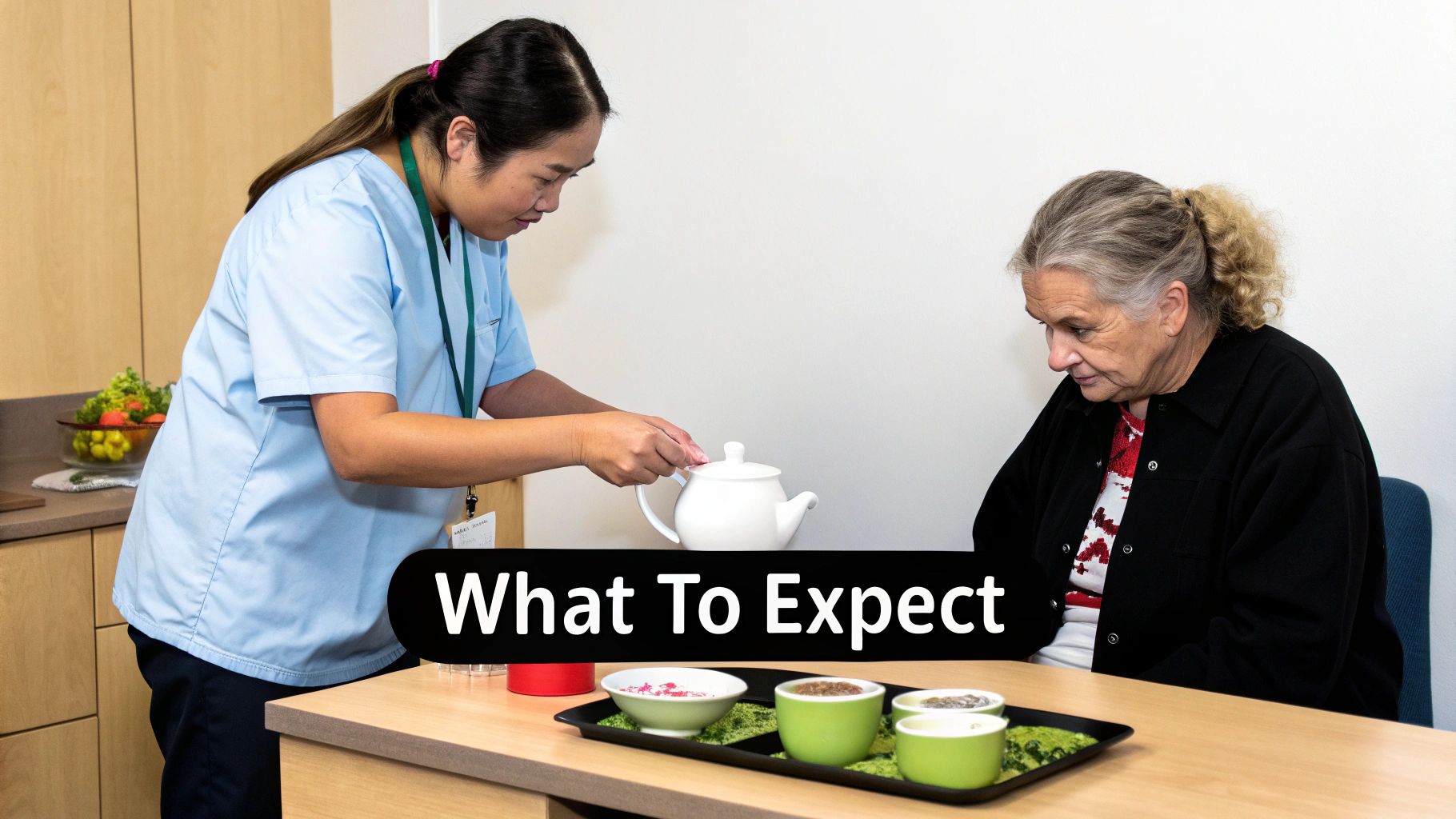
Starting any new therapy can feel a bit mysterious. Knowing what to expect during your first few sessions of occupational therapy in Dubai can help ease any nerves and get you ready for the collaborative process ahead. Think of these initial meetings as less about “treatment” and more about understanding, setting goals, and building a strong partnership with your therapist.
Your first meeting is really an initial assessment, but it’s not a test—it’s a conversation. The therapist’s main goal is to get a complete picture of you or your child’s strengths, daily challenges, and what you’re hoping to accomplish. They’ll likely use a mix of standardized assessments, their own skilled observations, and plenty of discussion to really understand your daily routines and where things are getting tricky.
What a Typical Session Looks Like
Once there’s a clear plan, the real work—which often just feels like play—begins. Every session is highly personalized and designed to be engaging, never a chore.
- For a child: A session might look a lot like structured playtime. They could be navigating a fun obstacle course to improve balance and coordination, squishing therapeutic putty to build hand strength for writing, or playing a board game to practice social skills like taking turns. Check out our guide for more ideas for occupational therapy activities to see just how creative these sessions can be.
- For an adult: The focus shifts to practical, real-world tasks. A session could involve practicing cooking techniques in an adapted kitchen, running through computer exercises to sharpen cognitive skills, or even simulating workplace tasks in a safe, controlled environment.
This hands-on, “learning by doing” approach is what occupational therapy is all about.
Developing a Personalized Treatment Plan
After the assessment, your therapist will put together a unique treatment plan. This isn’t just a generic document; it’s a roadmap for your therapy journey, outlining specific, measurable, and meaningful goals. It details the exact strategies and activities that will be used to get you there.
A key part of the process is creating a home program. This usually includes simple but effective activities you can weave into your daily routine. It’s all about reinforcing the skills learned during therapy and speeding up progress between sessions.
The demand for skilled occupational therapists in the UAE has grown significantly, attracting top talent to the region. This is reflected in compensation, as the average annual salary for an Occupational Therapist in the UAE is around AED 108,000, with highly experienced professionals earning up to AED 309,000.
Throughout the journey, your progress is continuously tracked and discussed with you. This ensures the treatment plan stays relevant and effective, allowing for adjustments as you master new skills and new goals come into focus. The entire process is designed to be supportive, goal-oriented, and ultimately, empowering.
Frequently Asked Questions About Occupational Therapy in Dubai
Navigating the world of occupational therapy for the first time can bring up a few questions. It’s completely normal to wonder about the practical side of things.
To help you feel more confident, here are some clear, straightforward answers to the questions we hear most often from families considering occupational therapy in Dubai.
How Long Does Occupational Therapy Take?
This is one of the most common questions, and the honest answer is: it depends entirely on the individual. The duration of therapy is personalized to fit specific goals and conditions.
For instance, someone recovering from a hand injury might only need a few weeks of focused support to get back on track. On the other hand, a child with a developmental condition could benefit from ongoing therapy over several months or even years to build skills progressively.
Your therapist will work with you to create a timeline and will review it with you regularly to make sure it always aligns with the progress being made.
Is Occupational Therapy Covered by Insurance?
Insurance coverage for OT can vary quite a bit among different plans here in Dubai. Many providers will cover sessions if they are considered medically necessary, but the details are what matter. The extent of coverage, the number of sessions allowed, and any co-payment amounts can differ significantly from one policy to another.
It’s always a good idea to contact your insurance company and the therapy center before you start. This simple step helps you confirm your benefits and avoid any surprise costs down the road.
What Is the Difference Between OT and Physiotherapy?
This is a great question, as the two fields often work closely together. Here’s a simple way to think about it: physiotherapy helps restore movement, while occupational therapy helps you use that movement in your daily life.
A physiotherapist will focus on improving physical function—things like strength, balance, and range of motion (often called gross motor skills). An OT, however, helps you apply those abilities to master everyday activities. They focus on improving the fine motor, cognitive, and sensory processing skills you need to be independent, whether that’s buttoning a shirt, writing your name, or navigating a busy classroom.