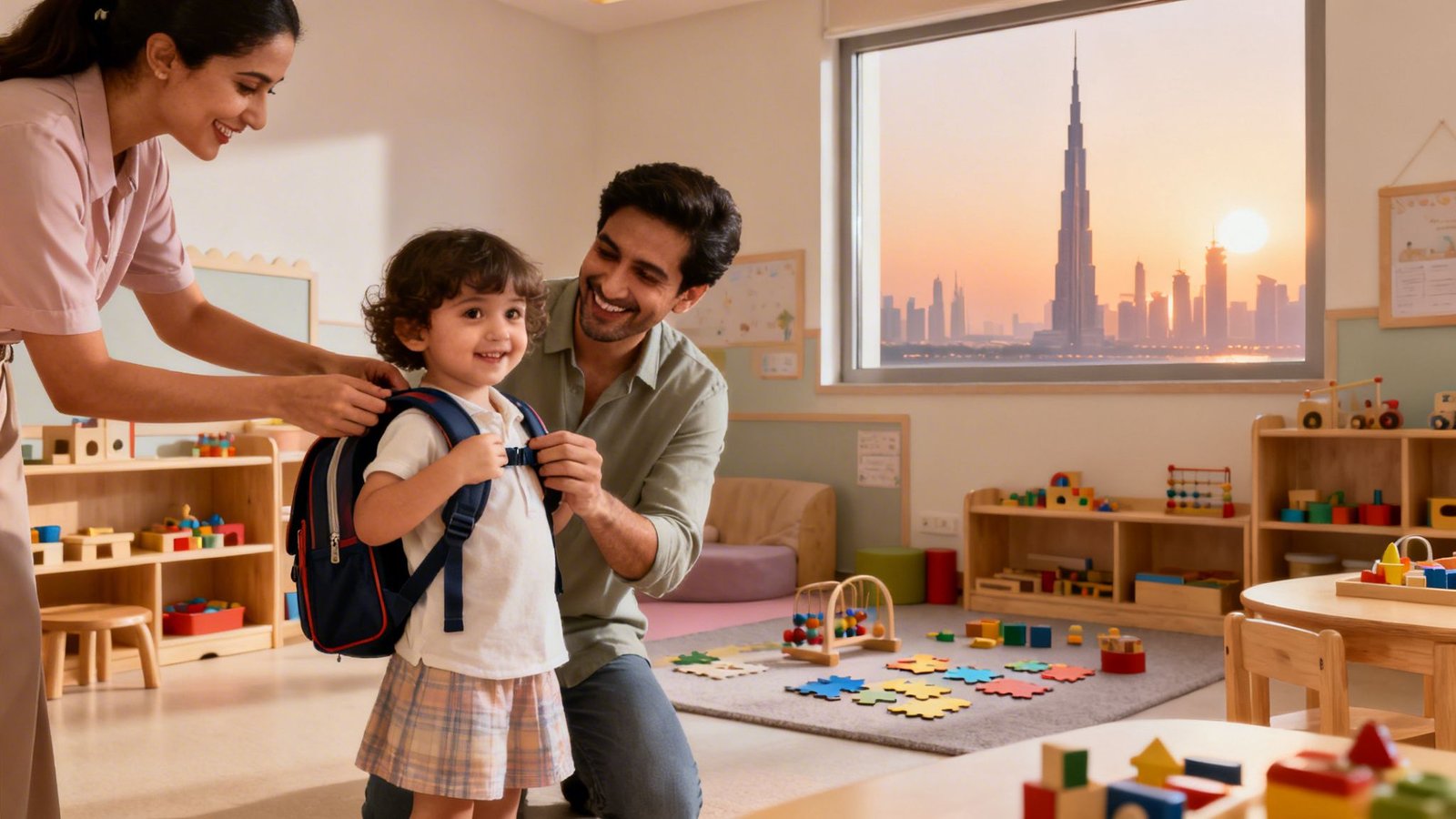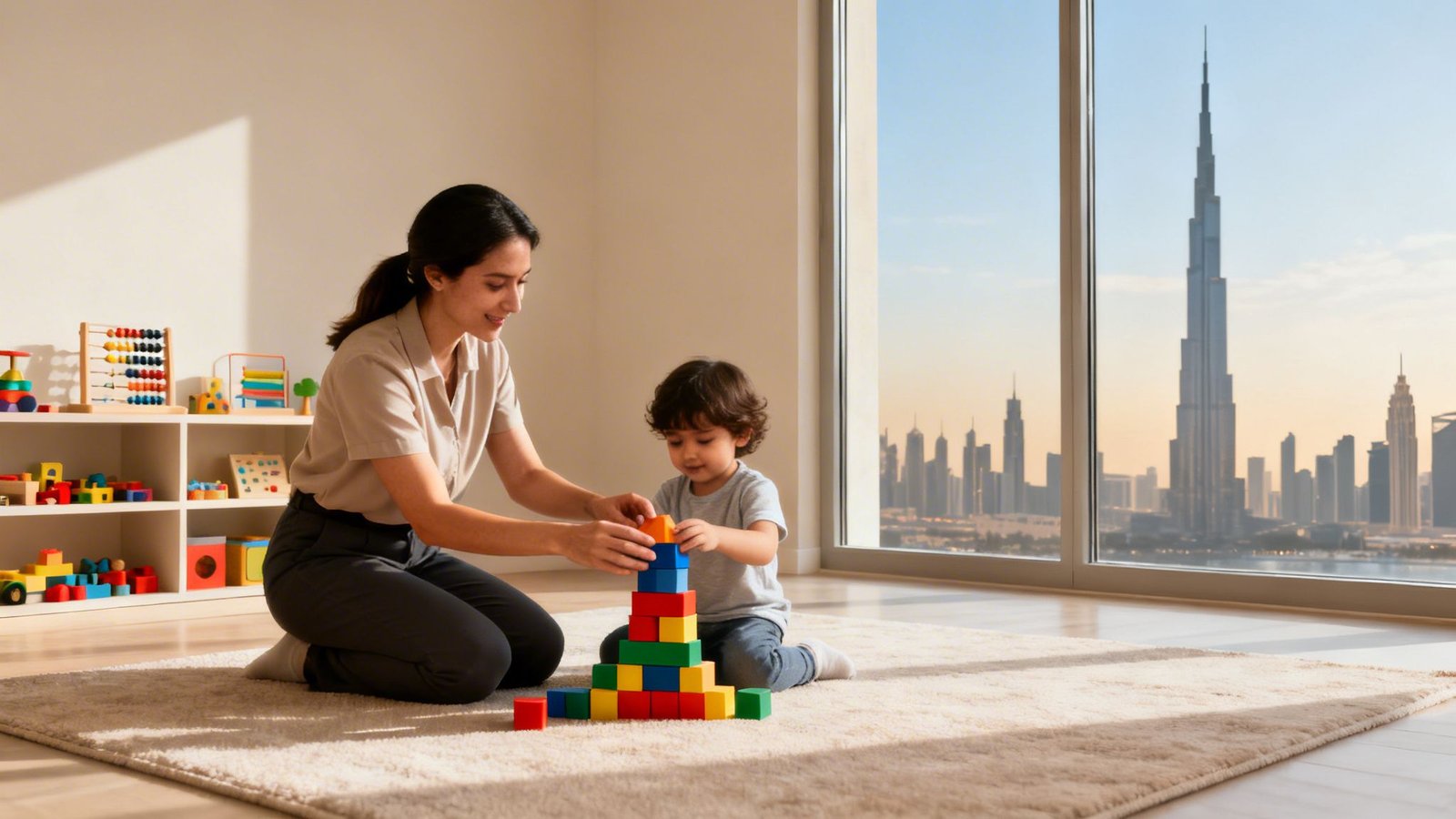

Being stuck indoors doesn't have to mean boredom or reliance on screens. For parents and caregivers of children with unique learning profiles, including autism, speech delays, or sensory processing needs, indoor time presents a golden opportunity for targeted, play-based learning. This guide offers 10 therapeutic indoor kid activities designed not just to entertain, but to actively support crucial developmental goals.
Each activity is broken down with specific therapeutic targets, a list of materials, and actionable modifications, turning your home into a supportive environment for growth. We will move beyond generic suggestions and provide a structured framework that parents, educators, and therapists can use immediately. You will discover how simple materials, from LEGO bricks to baking ingredients, can be used to practise speech, refine fine motor skills, and improve sensory regulation.
These ideas are inspired by the individualised approaches used at centres where we believe every child's therapy plan should be as unique as they are. This resource is organised to help you quickly find an activity that aligns with specific needs, whether you are fostering social interaction or building foundational school readiness skills. While many of these ideas work well for one-on-one engagement, it's also important to have options for multiple children. To discover more ways to turn indoor time into valuable developmental experiences, explore engaging indoor group games for kids to boost wellbeing. Let's explore how everyday play can become a powerful tool for building communication, motor, and sensory regulation skills.
1. Sensory Bin Exploration
A sensory bin is a cornerstone of many therapeutic and educational settings, and it's one of the most versatile indoor kid activities you can create. It is simply a container, such as a plastic tub or bin, filled with tactile materials carefully chosen to stimulate the senses. This activity provides a controlled, low-demand environment where a child can explore textures, temperatures, and materials at their own pace.
The power of a sensory bin lies in its adaptability. It serves as a fantastic tool for sensory regulation, helping children who are over-responsive or under-responsive to sensory input find a state of calm and organisation. It is also an excellent platform for building foundational skills without direct pressure.
Goals Targeted
- Sensory Regulation: Calming or alerting the nervous system through tactile input.
- Fine Motor Skills: Practising scooping, pouring, pinching, and grasping.
- Speech and Language: Introducing new vocabulary (e.g., "scoop," "pour," "soft," "grainy"), practising following directions, and encouraging descriptive language.
- Social Play: Facilitating turn-taking and shared exploration when used with a peer.
Setup and Implementation
- Materials: A shallow plastic bin, a base filler (e.g., dried rice, pasta, beans, water beads, sand), and various tools (e.g., scoops, funnels, small cups, tongs). Add themed items like plastic animals, letters, or small toys to guide play.
- Step-by-Step:
- Choose a base filler appropriate for your child’s sensory needs and safety (avoid small items for children who mouth objects).
- Add tools and themed objects to the bin.
- Place the bin on a mat or towel to contain any mess.
- Allow the child to lead the exploration. You can model actions like scooping and pouring.
Therapist Tip: For a child who is hesitant to touch new textures, start with "dry" tools like tongs or a long-handled spoon. This allows them to interact with the material from a distance, gradually building their comfort and confidence.
2. Arts and Crafts Projects
Arts and crafts projects are a fantastic category of indoor kid activities that involve creating something new using various materials. This can range from simple finger painting to constructing models from recycled items, offering an avenue for creativity, self-expression, and structured play that can be easily adapted to any skill level or developmental stage.

The value of arts and crafts extends far beyond simply making something pretty. The process itself is rich with therapeutic and educational benefits. For children who struggle with verbal communication, art can be a powerful way to express feelings and ideas. It also provides a clear, tangible outcome, which can be highly motivating and rewarding.
Goals Targeted
- Fine Motor Skills: Developing hand strength and dexterity through cutting, gluing, drawing, and manipulating small objects.
- Executive Functioning: Practising planning, sequencing, and following multi-step directions to complete a project.
- Sensory Exploration: Engaging with different textures, colours, and materials (e.g., squishy paint, rough sandpaper, smooth clay).
- Speech and Language: Building vocabulary related to colours, shapes, and actions (e.g., "cut," "glue," "paint"), and encouraging descriptive language to talk about their creation.
Setup and Implementation
- Materials: A dedicated space with a protective covering (e.g., old tablecloth or newspaper). Gather age-appropriate supplies like construction paper, safety scissors, glue sticks, crayons, markers, paint, and modelling clay. Recycled materials like cardboard tubes and boxes are also great.
- Step-by-Step:
- Choose a simple project with a clear beginning, middle, and end.
- Organise all necessary supplies in easily accessible containers before starting.
- Model each step clearly for the child, providing hand-over-hand assistance if needed.
- Focus on the process, not the final product, and praise their effort and creativity.
Therapist Tip: For a child who feels overwhelmed by open-ended tasks, provide a pre-made "kit" with all the pieces pre-cut. This structures the activity and reduces demand, allowing them to focus on the fine motor skills of assembly and decoration.
3. Board Games and Card Games
Board games and card games are structured, rule-based indoor kid activities that offer a fantastic arena for developing crucial cognitive and social skills. Beyond simple entertainment, these games provide a predictable framework for interaction, making them powerful tools for children who benefit from clear expectations and turn-taking routines.

The inherent structure of a game, with its defined beginning, middle, and end, can be comforting and organising for many children. It creates a safe space to practise complex skills like waiting, handling disappointment, and celebrating the success of others, all while focusing on a shared, enjoyable goal.
Goals Targeted
- Social Play: Practising turn-taking, following group rules, sharing, and displaying sportsmanship (winning/losing gracefully).
- Speech and Language: Following multi-step directions, using functional language ("my turn," "your turn," "I win"), and engaging in game-related conversation.
- Cognitive Skills: Developing problem-solving, strategic thinking, counting (e.g., moving a piece), and colour/shape recognition.
- Fine Motor Skills: Manipulating small game pieces, holding and shuffling cards, and moving tokens on a board.
Setup and Implementation
- Materials: An age-appropriate board game or card game. Examples range from simple games like Candy Land or Go Fish to more complex cooperative games like Forbidden Island or strategy games like Catan Junior.
- Step-by-Step:
- Select a game that matches your child's developmental level and attention span. Cooperative games are excellent starting points as they focus on teamwork rather than competition.
- Read the rules together, or explain them in simple terms before you begin.
- Model the game play and social language for the first few turns.
- Focus on the process and participation more than the outcome. Provide praise for good sportsmanship and effort.
Therapist Tip: For children who struggle with the concept of losing, start with cooperative games where all players work together to win. This removes the competitive pressure and builds a foundation of positive, shared gaming experiences before introducing competitive play.
4. Indoor Scavenger Hunts
An indoor scavenger hunt transforms the familiar environment of your home into an exciting landscape of discovery. This classic game involves searching for specific items or solving clues to find a hidden treasure, making it one of the most engaging and active indoor kid activities. It encourages children to move, observe their surroundings closely, and use critical thinking skills in a playful, structured way.
The beauty of a scavenger hunt is its infinite customisation. It can be adapted for any age, skill level, or therapeutic goal, from a simple colour-matching quest for a toddler to a complex riddle-based mission for an older child. This makes it an ideal tool for targeting specific skills while keeping motivation high and providing a clear sense of purpose and accomplishment.

Goals Targeted
- Speech and Language: Building vocabulary (colours, textures, object functions), practising prepositions (under, on, behind), and following multi-step directions.
- Problem-Solving Skills: Encouraging logical thinking and deduction to decipher clues or locate items based on descriptions.
- Gross Motor Skills: Promoting movement like crawling, walking, and reaching as children navigate the search area.
- Executive Functioning: Developing working memory (remembering the list of items) and task initiation.
Setup and Implementation
- Materials: A list (picture-based or written), items to find, a bag or basket for collecting, and optional clues or a small prize for the end.
- Step-by-Step:
- Decide on a theme or objective. For example, a "Rainbow Hunt" (find one item for each colour) or a "Texture Hunt" (find something soft, something bumpy).
- Create a visual or written list of items for your child to find. For non-readers, use pictures or photos of the actual objects.
- If hiding items, place them in locations that are accessible but offer a slight challenge.
- Explain the rules and give the child their list and a collection basket.
Therapist Tip: For children working on social skills, turn it into a cooperative game. Give two children a single list they must complete together, prompting them to communicate, negotiate roles ("You look under the sofa, I'll check behind the cushion"), and celebrate their shared success.
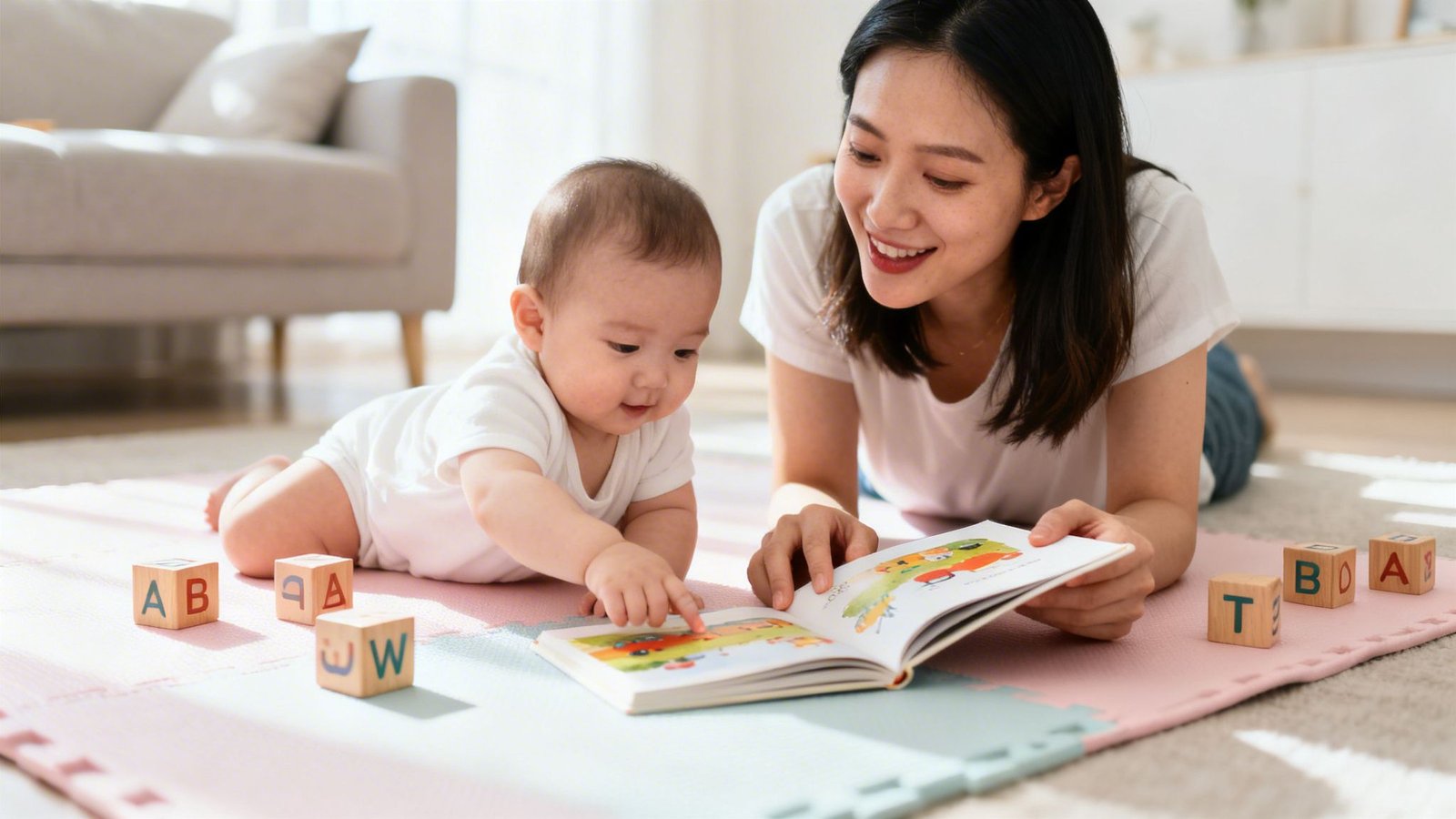
5. Reading and Storytelling
Reading books and engaging in imaginative storytelling are foundational indoor kid activities that build crucial cognitive and emotional skills. This activity offers a quiet, structured way to develop language, expand imagination, and foster a connection between caregiver and child. It provides a shared experience that can be calming and organising, making it an excellent tool for co-regulation and focused attention.
The power of storytelling lies in its ability to teach complex concepts like emotions, social situations, and problem-solving in an accessible format. For children with developmental or language delays, books with repetitive text, clear illustrations, and predictable plots can be particularly effective. It serves as a natural platform for practising a wide range of developmental goals in a low-pressure, enjoyable context.
Goals Targeted
- Speech and Language: Building vocabulary, improving sentence structure, understanding narrative sequencing (beginning, middle, end), and practising inferencing skills.
- Social-Emotional Learning: Identifying and discussing characters' feelings, understanding different perspectives, and learning social norms through stories.
- Joint Attention: Sharing focus on a book or story, a critical skill for social interaction and learning.
- Cognitive Skills: Enhancing listening comprehension, memory, and prediction skills.
Setup and Implementation
- Materials: A selection of age-appropriate books (board books, picture books, chapter books), puppets, or "story stones" with simple pictures on them. A comfortable, quiet space like a reading nook with pillows or a beanbag.
- Step-by-Step:
- Choose a book that aligns with your child’s interests and language level. Books with vibrant illustrations and rhyming or repetitive text are often highly engaging.
- Create a cosy environment free from distractions. Sit together so the child can easily see the pages.
- Read with an expressive voice, using different tones for different characters. Point to the pictures as you read to connect words with images.
- Pause to ask simple "wh-" questions (e.g., "Who is that?" "What is the dog doing?") or make comments to encourage interaction.
Therapist Tip: To enhance comprehension, try "picture walking" through the book first. Look at the illustrations on each page together and talk about what you see and what might be happening before you even read the words. This pre-reading activity builds context and helps the child predict the storyline.
6. Building Forts and Blanket Tents
Creating a fort from blankets, pillows, and furniture is a classic indoor kid activity that goes far beyond simple play. It offers a child a unique sense of control over their environment, allowing them to construct a private, enclosed space that feels safe and personal. This act of building and inhabiting a self-made den can be a powerful experience, providing a calming retreat from a sometimes overwhelming world.
For many children, especially those with sensory processing sensitivities, a fort serves as a protective barrier from excessive light, sound, and movement. It becomes a predictable and secure home base where they can decompress, engage in quiet activities, and regulate their nervous system. This imaginative construction project seamlessly integrates physical and cognitive skill-building with profound therapeutic benefits.
Goals Targeted
- Sensory Regulation: Creating a low-stimulation environment to reduce sensory overload and provide a calming, deep-pressure space.
- Gross Motor Skills: Lifting, carrying, and arranging pillows and blankets; navigating in and out of the structure.
- Executive Functioning: Planning, problem-solving, and organising materials to successfully build a stable structure.
- Imaginative Play: Fostering creativity and storytelling as the fort becomes a castle, a spaceship, or a secret cave.
Setup and Implementation
- Materials: Sturdy furniture (e.g., chairs, a sofa, a table), lightweight blankets or sheets, pillows or cushions, and clothespins or clips to secure fabric. Optional additions include battery-powered string lights, books, and favourite soft toys.
- Step-by-Step:
- Select a safe area with stable furniture to use as anchors for the fort.
- Drape blankets or sheets over the furniture to create the walls and roof. Use clips to hold them in place.
- Line the floor inside with soft pillows and blankets to make it comfortable and inviting.
- Encourage the child to help with the design and construction, giving them ownership of the space.
Therapist Tip: For a child who experiences anxiety or needs a predictable retreat, designate a permanent "fort corner." Use a pop-up tent or a simple sheet draped over a table that can stay up long-term. This provides a consistent safe space they can access independently whenever they feel overwhelmed.
7. Science Experiments and STEM Activities
Hands-on science and STEM (Science, Technology, Engineering, and Maths) activities are some of the most engaging indoor kid activities, transforming abstract concepts into tangible experiences. These experiments use common household items to demonstrate scientific principles, encouraging natural curiosity, problem-solving, and a foundational understanding of cause and effect.
For a child, mixing baking soda and vinegar to create a fizzy "volcano" is not just fun; it's a direct lesson in chemical reactions. This type of structured, predictable play is highly beneficial, as it provides a clear sequence of steps and a rewarding outcome. It’s an ideal way to build cognitive skills in a motivating, low-pressure context.
Goals Targeted
- Executive Functioning: Practising following multi-step directions, planning, and sequencing.
- Cognitive Skills: Developing critical thinking, making predictions, and understanding cause-and-effect relationships.
- Speech and Language: Introducing new, specific vocabulary (e.g., "dissolve," "erupt," "magnetism," "reaction") and encouraging "why" and "how" questions.
- Fine Motor Skills: Using tools like droppers, measuring spoons, and tweezers to manipulate materials with precision.
Setup and Implementation
- Materials: Common household items like baking soda, vinegar, food colouring, oil, and water. You can also use kits for activities like growing crystals or building simple circuits. Safety gear like goggles and an apron is recommended.
- Step-by-Step:
- Choose a simple, visually engaging experiment, like a homemade lava lamp (oil, water, food colouring, and an effervescent tablet).
- Gather all materials and place them on a tray or protected surface.
- Use simple, clear instructions or visual aids to guide the child through each step.
- Encourage the child to make a prediction about what will happen before the final step.
- Observe the results together, using descriptive language to explain what is happening.
Therapist Tip: Focus on the process, not just the outcome. Ask open-ended questions like, "What do you think will happen next?" or "What do you notice?" This shifts the focus from getting the "right" answer to fostering observation and curiosity, which is key for cognitive development.
8. Music and Rhythm Activities
Engaging with music is a powerful and joyful way to connect with children, making it one of the most dynamic indoor kid activities available. This involves more than just listening; it's about actively participating through singing, dancing, playing instruments, or creating simple rhythms. Music provides a structured, predictable, and highly motivating medium for communication and emotional expression.
The therapeutic power of music and rhythm lies in its ability to engage multiple brain regions simultaneously. It serves as an incredible tool for developing auditory processing, motor coordination, and self-expression. For children who struggle with verbal communication, music can offer an alternative, non-verbal outlet to express feelings and connect with others, making it a cornerstone of many developmental programmes.
Goals Targeted
- Speech and Language: Encouraging vocalisation through singing, practising articulation, and building vocabulary with song lyrics.
- Gross and Fine Motor Skills: Developing coordination through dancing, and refining hand-eye coordination by playing instruments like a xylophone or keyboard.
- Auditory Processing: Improving the ability to distinguish between sounds, recognise patterns, and follow rhythmic cues.
- Emotional Regulation: Using music to create a calming or energising atmosphere and providing an outlet for emotional expression.
Setup and Implementation
- Materials: Simple percussion instruments (e.g., shakers, drums, xylophones), a playlist of varied music, scarves for dancing, or even household items like pots and wooden spoons.
- Step-by-Step:
- Choose a time when your child is receptive and in a playful mood.
- Start by simply playing a song and modelling an action, like clapping to the beat or swaying.
- Introduce an instrument. Show your child how to tap a drum or shake a maraca to the rhythm.
- Engage in call-and-response games. You clap a simple pattern, and encourage your child to copy it.
Therapist Tip: For a child sensitive to loud noises, start with softer instruments like rainsticks or scarves for movement. Control the volume and gradually introduce new sounds. The goal is positive engagement, not perfect performance. For more information, you can explore the benefits of music therapy for children.
9. Cooking and Baking Projects
Involving a child in the kitchen is one of the most multi-sensory and rewarding indoor kid activities available. More than just making a snack, cooking and baking projects are rich learning environments where children can engage with different textures, smells, and tastes. This activity transforms a daily routine into a structured, step-by-step process that builds confidence and produces a delicious, tangible result.
The magic of a shared cooking project is how it naturally integrates so many developmental goals. From the fine motor control needed to stir batter to the language used to describe ingredients, the kitchen offers a holistic platform for skill development. It provides a meaningful context for following instructions, understanding sequences, and experiencing cause and effect firsthand.
Goals Targeted
- Fine Motor Skills: Practising stirring, whisking, pouring, kneading, and scooping.
- Following Directions: Listening to and executing multi-step instructions from a recipe.
- Speech and Language: Building vocabulary with action words (mix, pour, bake) and descriptive words (sweet, sticky, lumpy), and practising sequencing (first, next, last).
- Executive Functioning: Enhancing planning, organisation, and task initiation skills.
- Life Skills: Introducing foundational daily living skills necessary for future independence. For more information, you can learn more about occupational therapy for daily living skills on georgetownuae.com.
Setup and Implementation
- Materials: Choose a simple, age-appropriate recipe (e.g., no-bake energy balls, decorating pre-made biscuits, making a fruit smoothie). Gather all ingredients and child-safe tools (e.g., plastic knives, mixing bowls, measuring cups, a sturdy step stool).
- Step-by-Step:
- Read the recipe together, pointing to the words and pictures.
- Pre-measure ingredients into small bowls to simplify the process for the child.
- Assign a specific, manageable task, such as pouring the flour into the bowl or stirring the mixture.
- Guide them through each step, offering physical and verbal support as needed.
Therapist Tip: For a child with sensory sensitivities, focus on the "assembly" part of cooking. Use pre-made pizza bases and let them add toppings, or provide plain biscuits and various icings and sprinkles. This allows them to participate without the potential sensory overload of sticky dough or messy flour.
10. Puzzles and Brain Games
Puzzles and brain games are classic indoor kid activities that provide a structured way to challenge cognitive skills. These activities, ranging from simple chunky puzzles for toddlers to complex logic games, offer a quiet, focused outlet for mental energy. They require a child to analyse shapes, patterns, and sequences, fostering patience and persistence in a highly rewarding format.
The value of puzzles extends far beyond simple recreation. They are powerful tools for developing visual-spatial reasoning, a key component of mathematical and scientific thinking. Completing a puzzle provides a tangible sense of accomplishment, boosting a child's self-esteem and encouraging a positive attitude towards problem-solving.
Goals Targeted
- Cognitive Skills: Enhancing problem-solving, critical thinking, spatial awareness, and memory.
- Fine Motor Skills: Developing hand-eye coordination and pincer grasp by manipulating small puzzle pieces.
- Executive Functioning: Practising planning, organisation (sorting pieces), and task persistence.
- Speech and Language: Introducing concepts like "next to," "above," "corner," and "edge," and encouraging descriptive language ("I'm looking for a blue edge piece").
Setup and Implementation
- Materials: An age-appropriate puzzle or brain game (e.g., wooden shape sorters, jigsaw puzzles, logic games like Rush Hour), a flat, well-lit surface, and optional sorting trays or a puzzle mat.
- Step-by-Step:
- Select a puzzle that is challenging but not frustrating. Start with a low piece count and gradually increase complexity.
- For jigsaw puzzles, model a strategy like finding all the edge pieces first and sorting the remaining pieces by colour or pattern.
- Work alongside your child, offering guidance and encouragement rather than solving it for them.
- Celebrate the process and the final accomplishment.
Therapist Tip: To build visual scanning and discrimination skills, place two very similar puzzle pieces in front of the child and ask, "Which one fits here?" This simplifies the choice and helps them focus on subtle differences in shape and pattern, reducing overwhelm.
Top 10 Indoor Kids Activities Comparison
| Activity | 🔄 Implementation complexity | ⚡ Resource requirements & cost | 📊 Expected outcomes | 💡 Ideal use cases | ⭐ Key advantages |
|---|---|---|---|---|---|
| LEGO Building and Construction | Medium — kit-led to advanced builds | Moderate–High — purchase sets, storage | Spatial reasoning, fine motor, engineering basics | Guided STEM play, collaborative builds, independent focus time | Durable, modular pieces; scalable complexity ⭐⭐⭐⭐ |
| Arts and Crafts Projects | Low–Medium — varies by project | Low — household supplies to kits | Creativity, fine motor, self-expression | Seasonal projects, low-cost family activities, classrooms | Highly adaptable, affordable, tangible results ⭐⭐⭐ |
| Board Games and Card Games | Low–High — simple rules to complex strategy | Low–Moderate — games affordable, need storage | Strategy, social skills, turn-taking | Family game nights, group learning, critical thinking practice | Social interaction and replay value; skill progression ⭐⭐⭐⭐ |
| Indoor Scavenger Hunts | Low — simple planning required | Very Low — uses household items | Observation, problem-solving, active movement | Rainy-day energy release, party activities, cooperative play | Customizable, low-cost, high engagement ⭐⭐⭐ |
| Reading and Storytelling | Low — minimal setup | Low–Moderate — books or digital access | Vocabulary, imagination, empathy, concentration | Bedtime routines, quiet time, literacy development | Builds language and emotional skills; low tech ⭐⭐⭐⭐ |
| Building Forts and Blanket Tents | Low — quick setup, some planning | Very Low — blankets, pillows, furniture | Spatial reasoning, imaginative play, privacy | Cozy reading nooks, pretend play, small-group bonding | Instant creativity boost; minimal cost ⭐⭐⭐ |
| Science Experiments and STEM Activities | Medium — prep and safety considerations | Low–Moderate — household supplies or kits | Scientific thinking, inquiry, hands-on learning | STEM lessons, curiosity-driven exploration, classroom demos | Engaging, educational, encourages hypothesis testing ⭐⭐⭐⭐ |
| Music and Rhythm Activities | Low–Medium — instrument or lesson-based | Low–High — simple instruments to lessons | Auditory skills, coordination, emotional expression | Group classes, sensory play, movement-based sessions | Encourages expression and memory; social engagement ⭐⭐⭐ |
| Cooking and Baking Projects | Medium — adult supervision needed | Low–Moderate — ingredients and tools | Practical life skills, math, following instructions | Family bonding, measurable outcomes, life-skill lessons | Teaches real-world skills; edible rewards ⭐⭐⭐⭐ |
| Puzzles and Brain Games | Low–Medium — choose difficulty level | Low–Moderate — puzzles or books, storage | Problem-solving, patience, spatial/logical reasoning | Independent quiet time, cognitive training, family puzzles | Durable, scalable difficulty, measurable progress ⭐⭐⭐⭐ |
Integrating Play into Your Child's Unique Journey
The collection of indoor kid activities detailed in this guide serves as more than just a list of ways to fill a rainy afternoon. From the structured logic of LEGO construction to the expressive freedom of arts and crafts, each activity is a powerful, adaptable tool. We have explored how simple pastimes like building a blanket fort or engaging in a scavenger hunt can be transformed into targeted therapeutic interventions, fostering growth in communication, motor skills, sensory processing, and social interaction.
The true value of these ideas lies not in their novelty but in their flexibility. A board game is no longer just about winning; it becomes a structured opportunity to practise turn-taking and emotional regulation. A simple cooking project evolves into a multi-sensory experience that builds sequencing skills and introduces new textures. By viewing these familiar activities through a therapeutic lens, you unlock a world of developmental potential hidden within everyday play. The key is to shift the focus from a perfect outcome to the process of engagement, exploration, and connection.
Core Principles for Meaningful Indoor Play
As you integrate these concepts, remember the foundational principles that make them effective. The goal is to create a supportive environment where your child feels safe, understood, and motivated to participate.
- Observation is Your Guide: Before introducing a new activity, take time to observe your child. What naturally captures their interest? What textures, sounds, or movements do they seek out or avoid? Use these observations to select and adapt indoor kid activities that align with their intrinsic motivations and sensory profile.
- Adaptation Over Expectation: The step-by-step guides provided for each activity are merely a starting point. The most successful implementation will involve customisation. If a multi-step craft is overwhelming, break it down into single, achievable actions. If a competitive game causes frustration, transform it into a collaborative goal.
- Celebrate the Effort, Not Just the Achievement: Acknowledge every attempt, every small step forward. Whether your child manages to place one puzzle piece, stir a bowl of ingredients for a few seconds, or simply sit with you during story time, that engagement is a victory worth celebrating. This positive reinforcement builds confidence and resilience.
Turning Everyday Moments into Learning Opportunities
The ultimate takeaway is that therapeutic progress does not have to be confined to formal therapy sessions. Your home is a rich, dynamic learning environment, and you are your child's most important guide. By intentionally incorporating elements of speech, occupational, and play-based therapy into your daily routines, you create a seamless and holistic developmental journey. These indoor kid activities are the building blocks for that journey.
Mastering this approach empowers you to see the potential in every interaction. It transforms potentially stressful moments of being stuck indoors into purposeful, connection-building experiences. The skills your child develops while sorting LEGOs by colour, following a recipe, or navigating an indoor obstacle course are the very skills that will help them succeed in school and in life. You are not just keeping them busy; you are strategically nurturing their growth, one playful moment at a time. Embrace the power of play as a fundamental tool to support your child's unique path, fostering joy and development in equal measure.
If you are seeking expert guidance to create a personalised plan that integrates these types of therapeutic activities into your child's routine, the specialists at Georgetown early intervention center are here to help. Our team excels at designing individualised therapy programmes that build upon your child's unique strengths and interests. Explore how we can support your family's journey at Georgetown early intervention center.